We started with design sprints and invited students to the
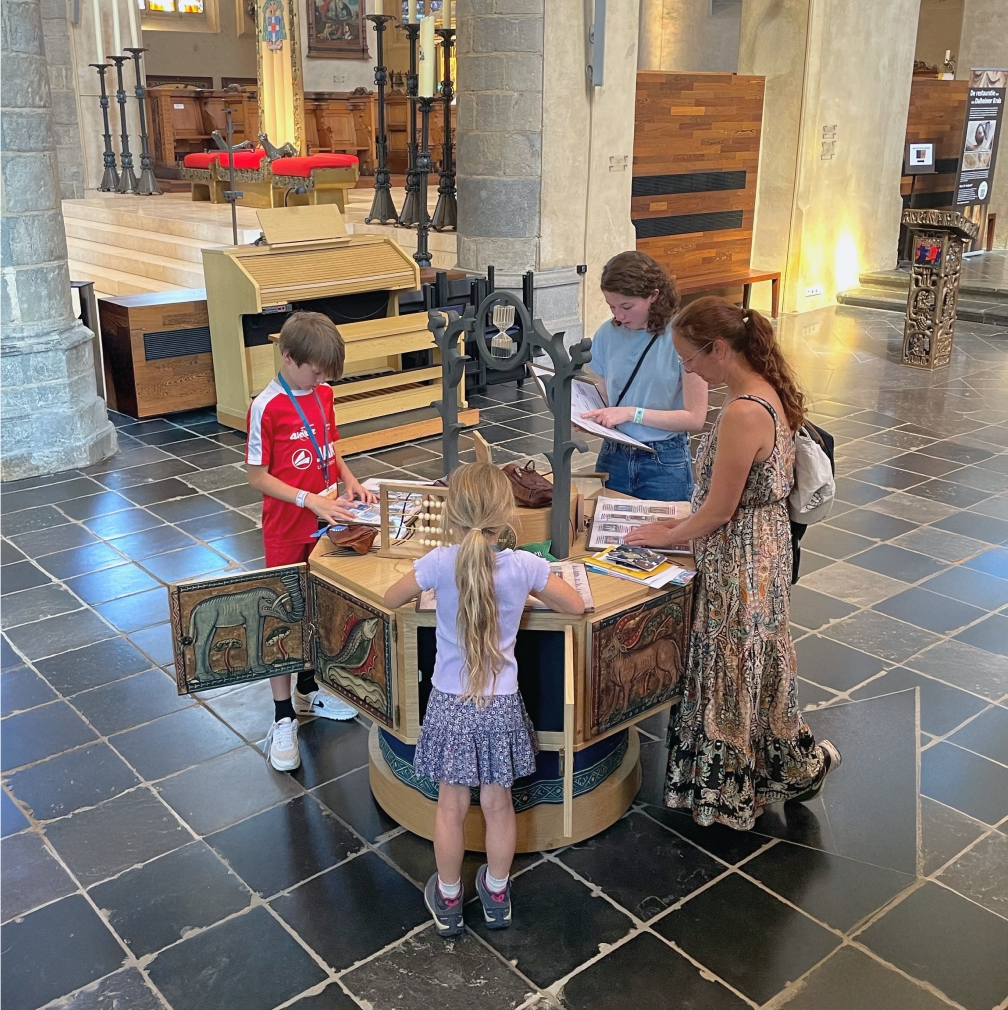
Royal Library. We printed medieval imagery and let them play
with it. Touching, remixing, and imagining their own
stories. Some were shocked or surprised, others just
curious. But then they became seriously interested: “But
wait... What is really happening here?” That's when we knew
we had something.
This collaborative approach became the backbone of
inventing, designing, and developing the game. We constantly
validated and refined every part of it, deliberately keeping
the technology flexible and adaptable. We also worked
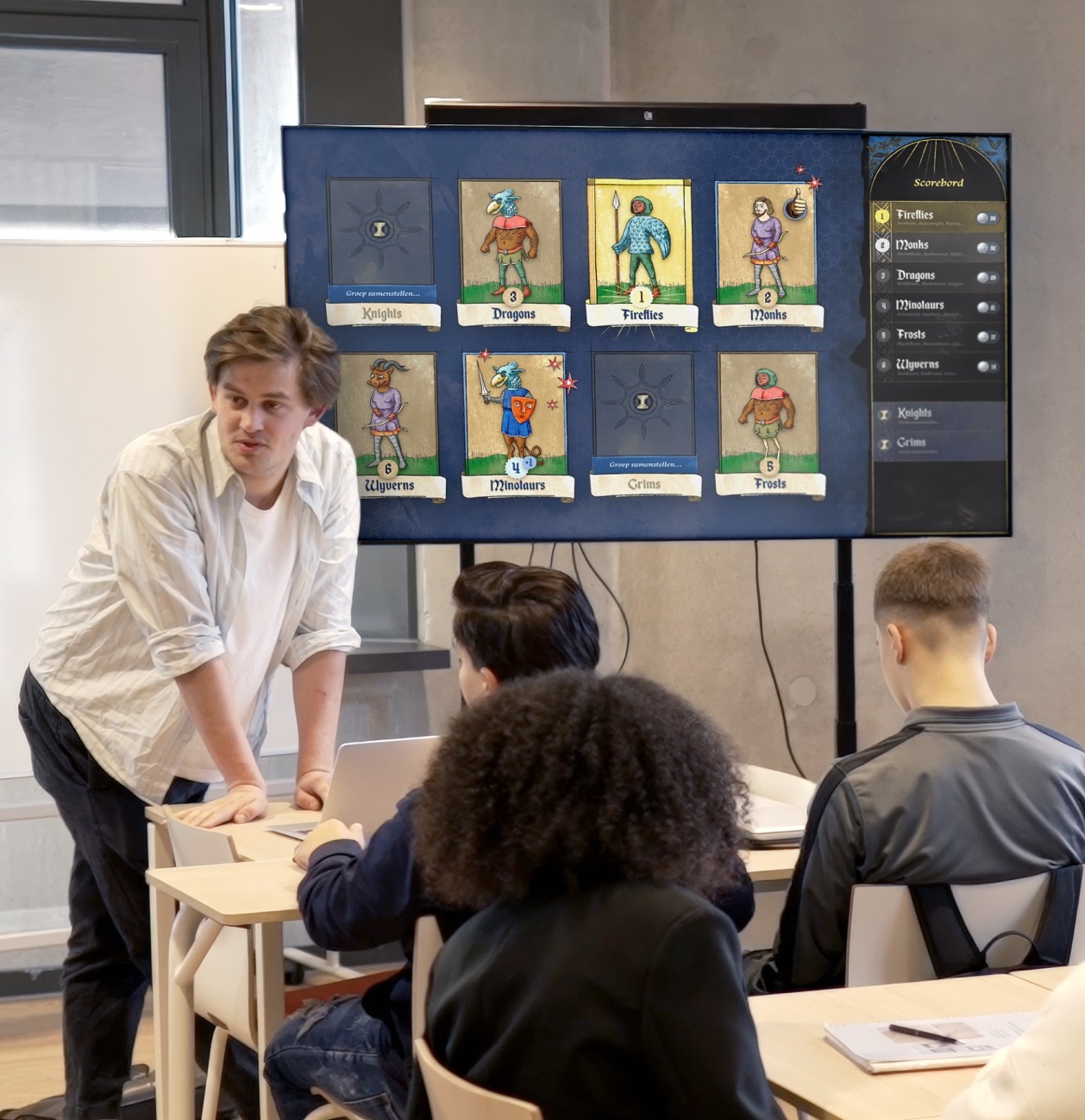
closely with history teachers to understand how the game
could be as easy as possible for them to setup and how it
could fit naturally into their existing ways of working.
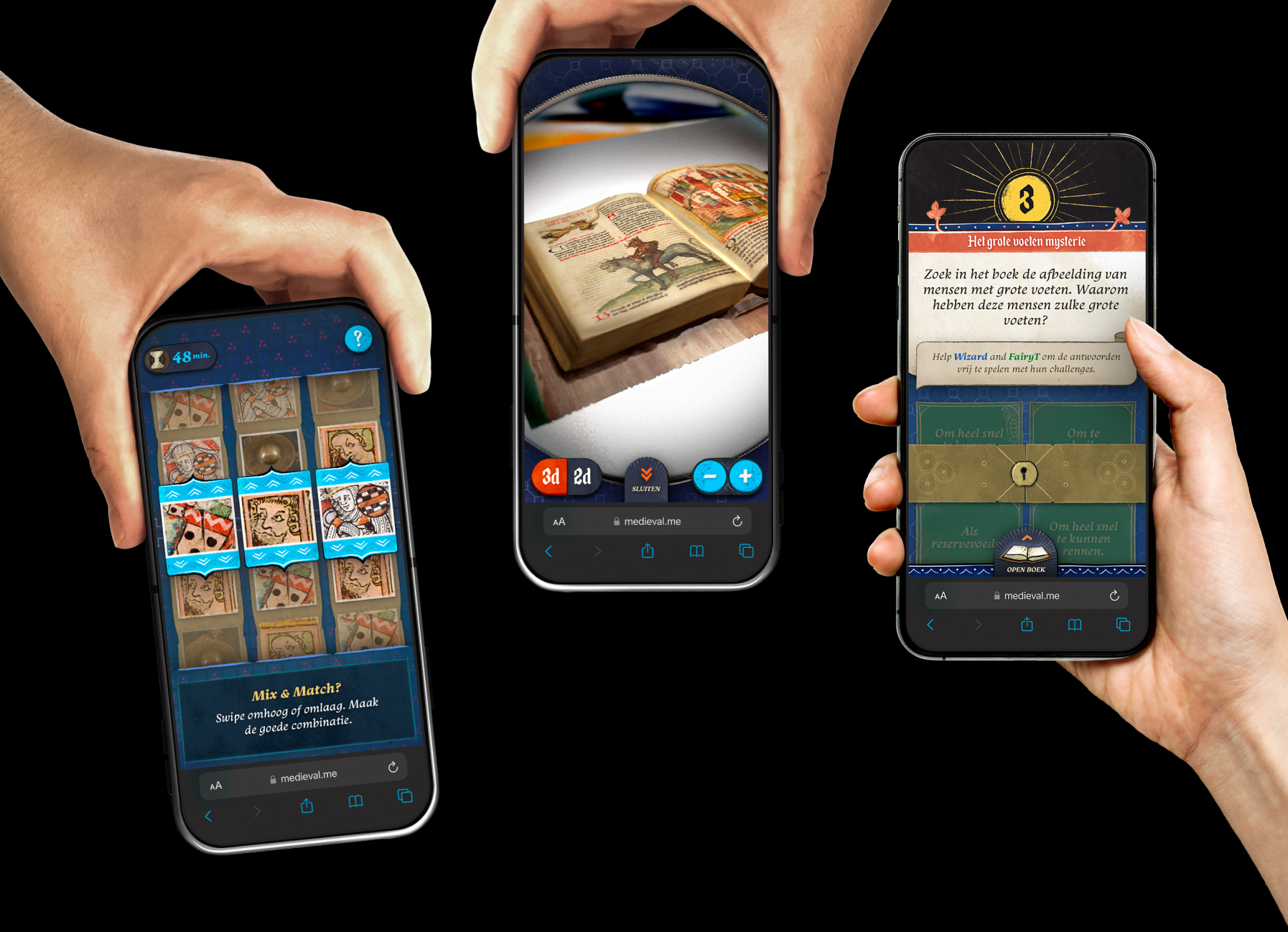
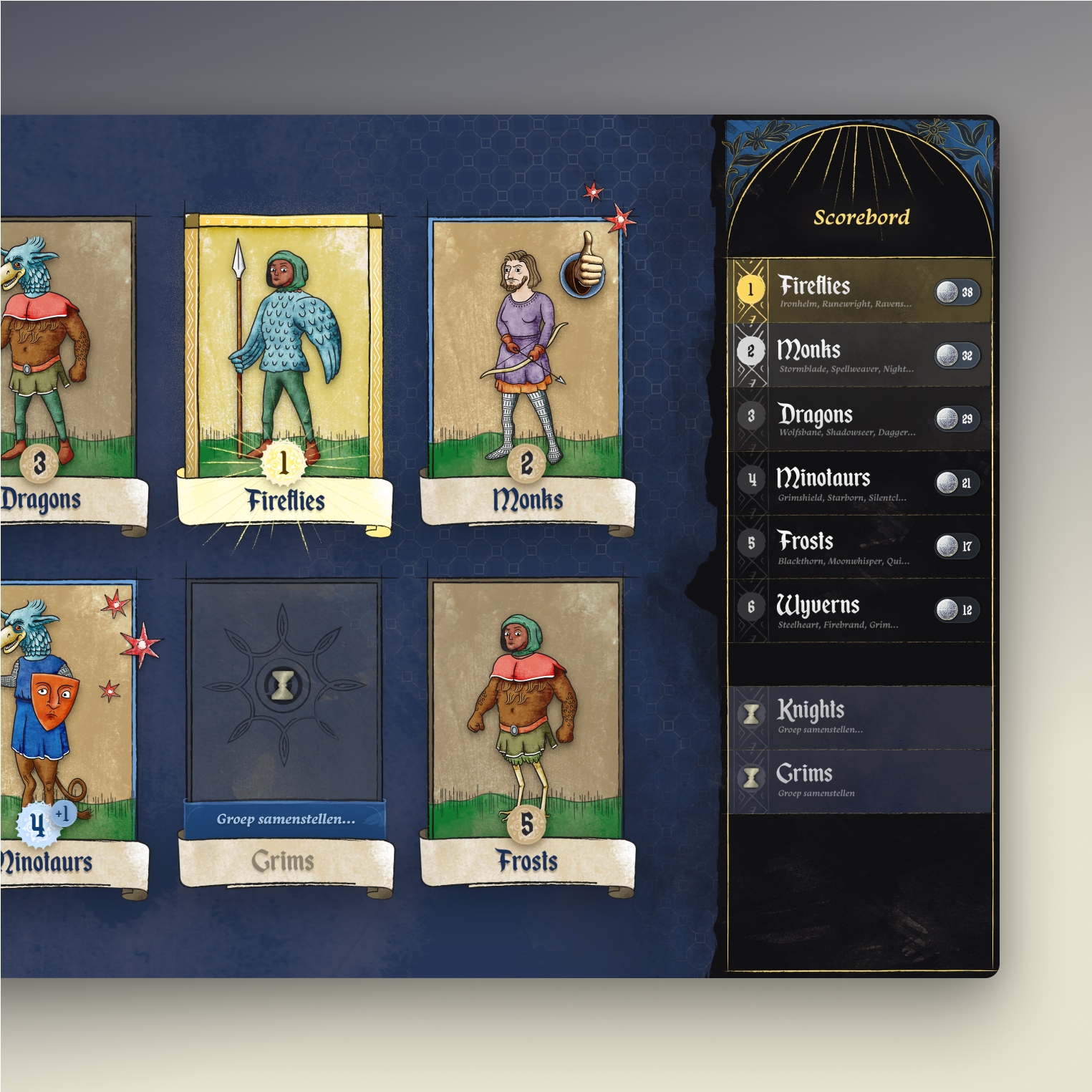
We started very small: on paper, cutting and pasting. Then
came low-fidelity technical prototypes, and eventuelly
giving it it's rich, distinct, vibrant medieval style.